Cars 24
Brand Strategy
Visual Identity
Verbal Identity
Visual Communication
Visual Identity
Verbal Identity
Visual Communication
Project Details
CARS24 began as a platform focused primarily on buying and selling cars. As the business grew, its role expanded significantly, bringing valuations, maintenance, chauffeurs, documentation and other services together within a single digital ecosystem.
This evolution created a new challenge for the brand. The existing identity had been built around a more transactional business and no longer reflected the scale, ambition or increasingly digital nature of the company. CARS24 needed to move beyond being perceived simply as a marketplace and establish itself as a complete partner across the experience of car ownership.
The rebrand was an opportunity to make that transformation visible, creating a more relevant and connected brand capable of bringing a growing range of services together as one experience.
Identity System
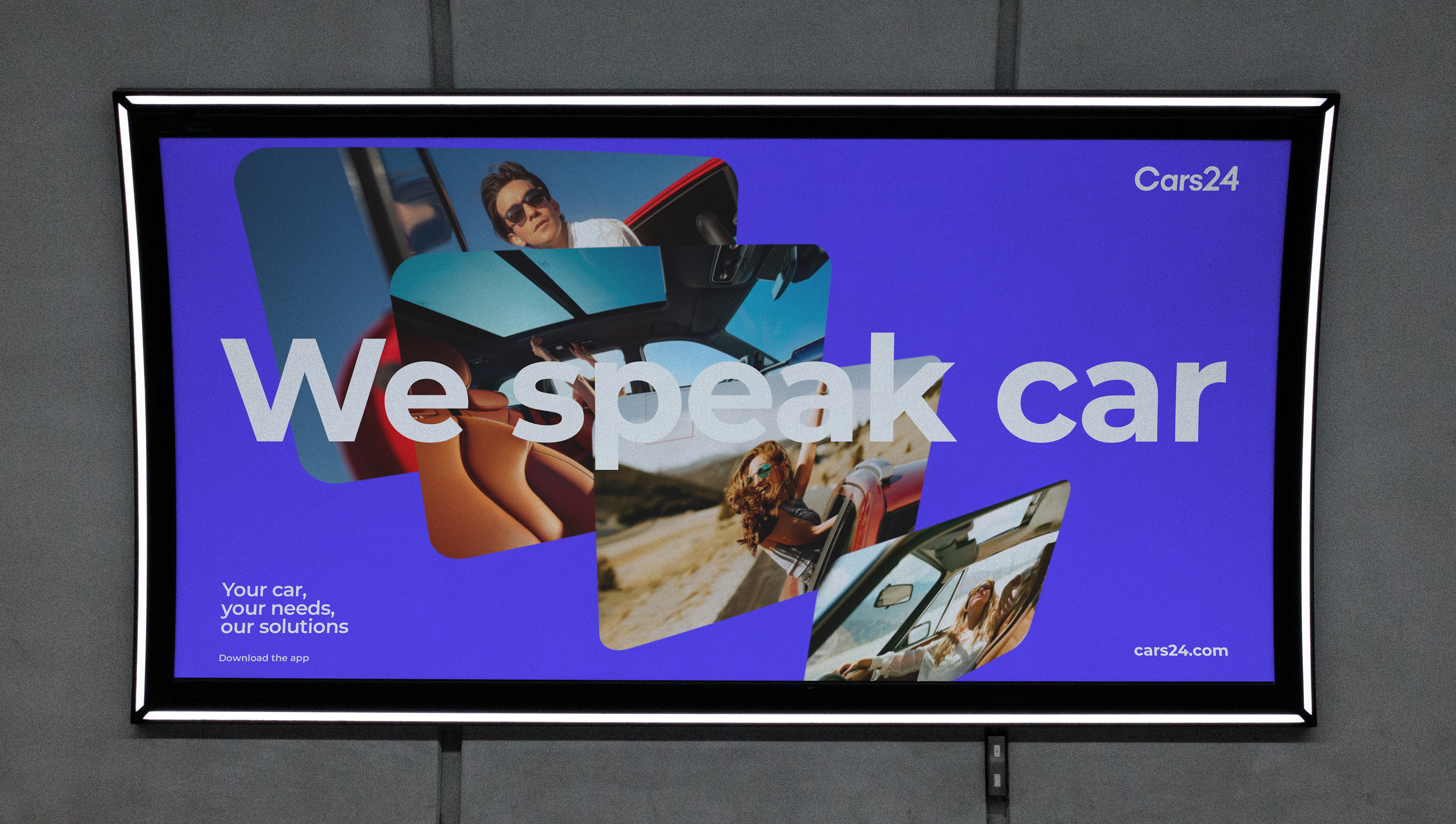
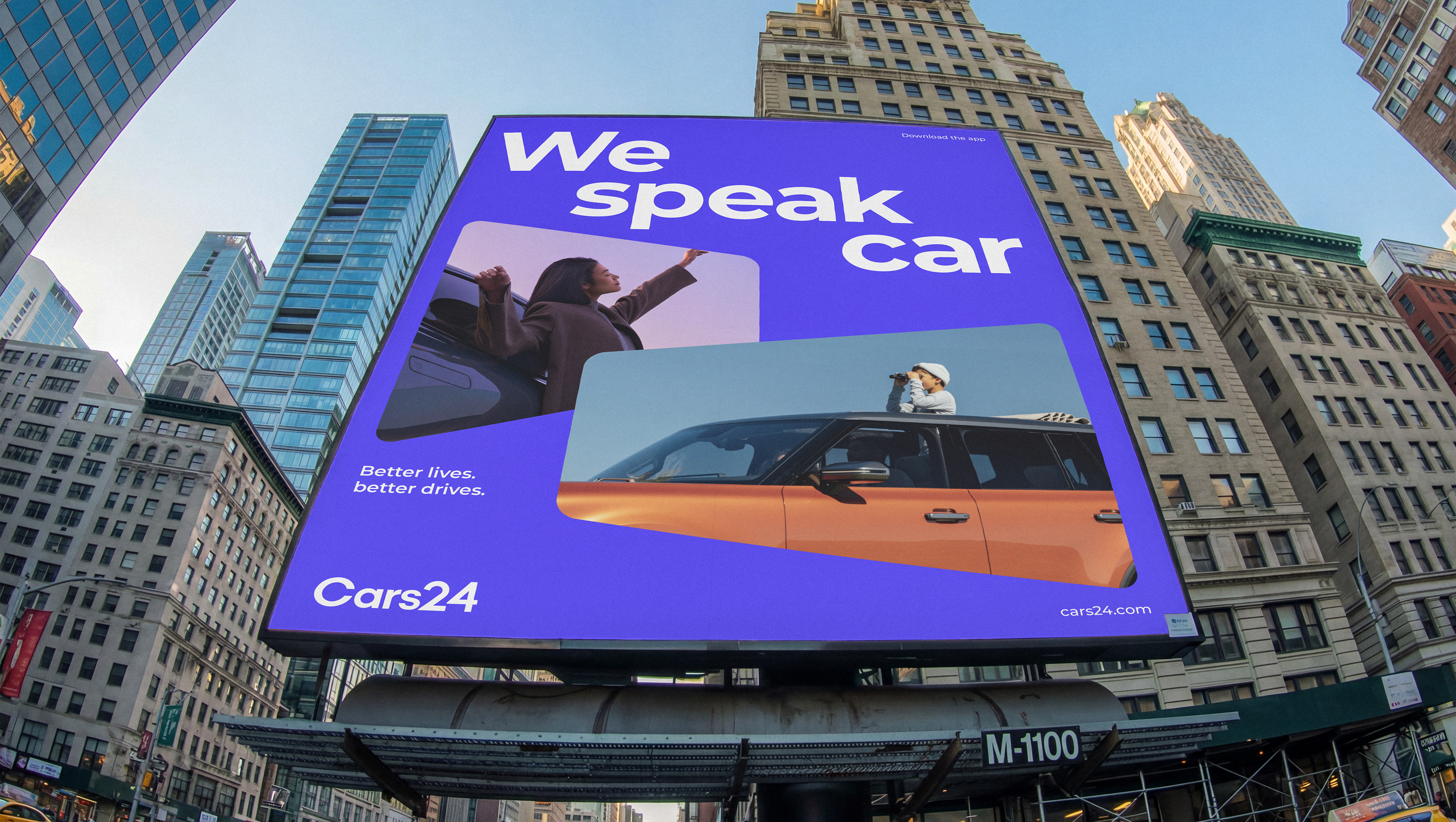
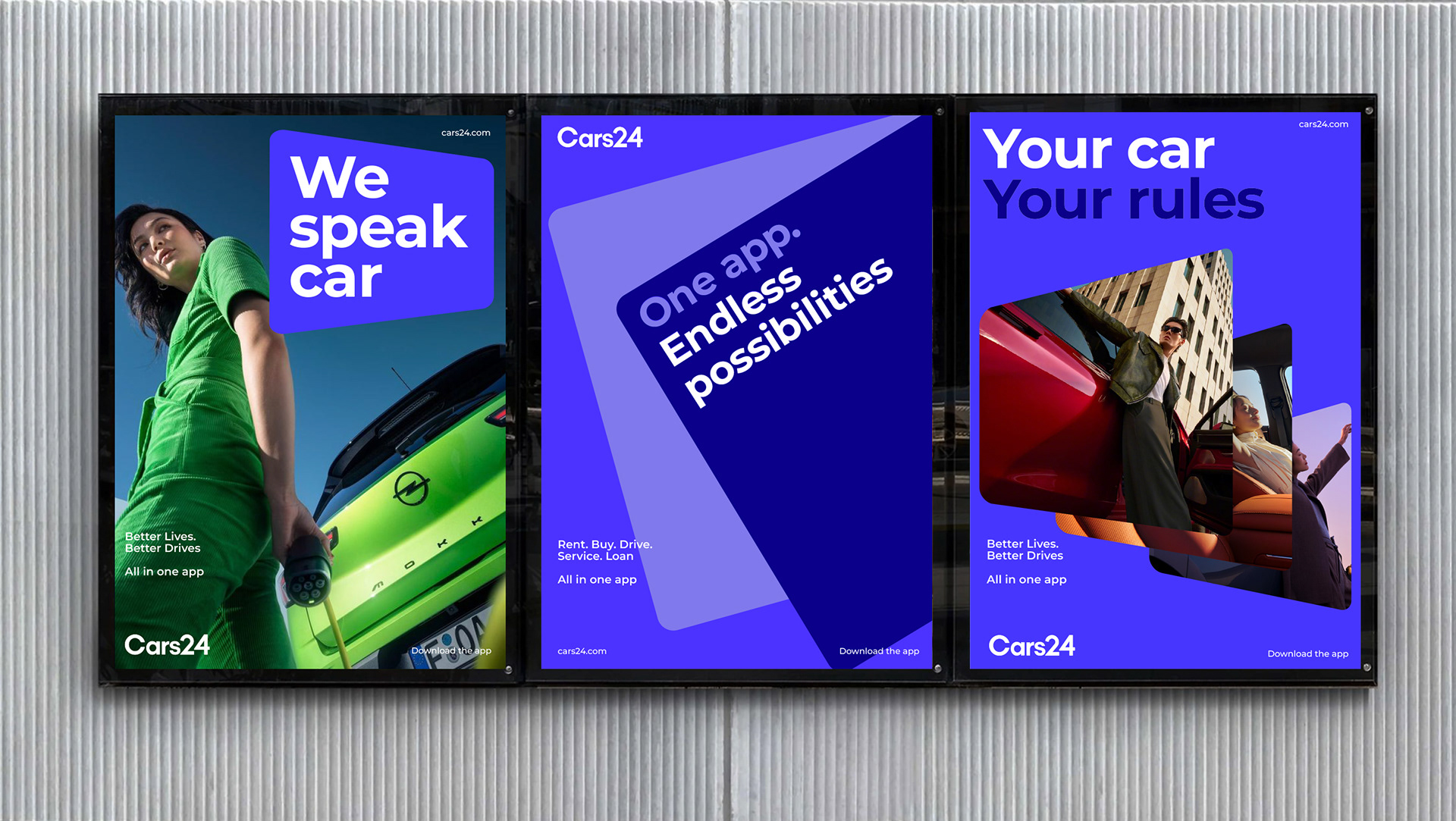
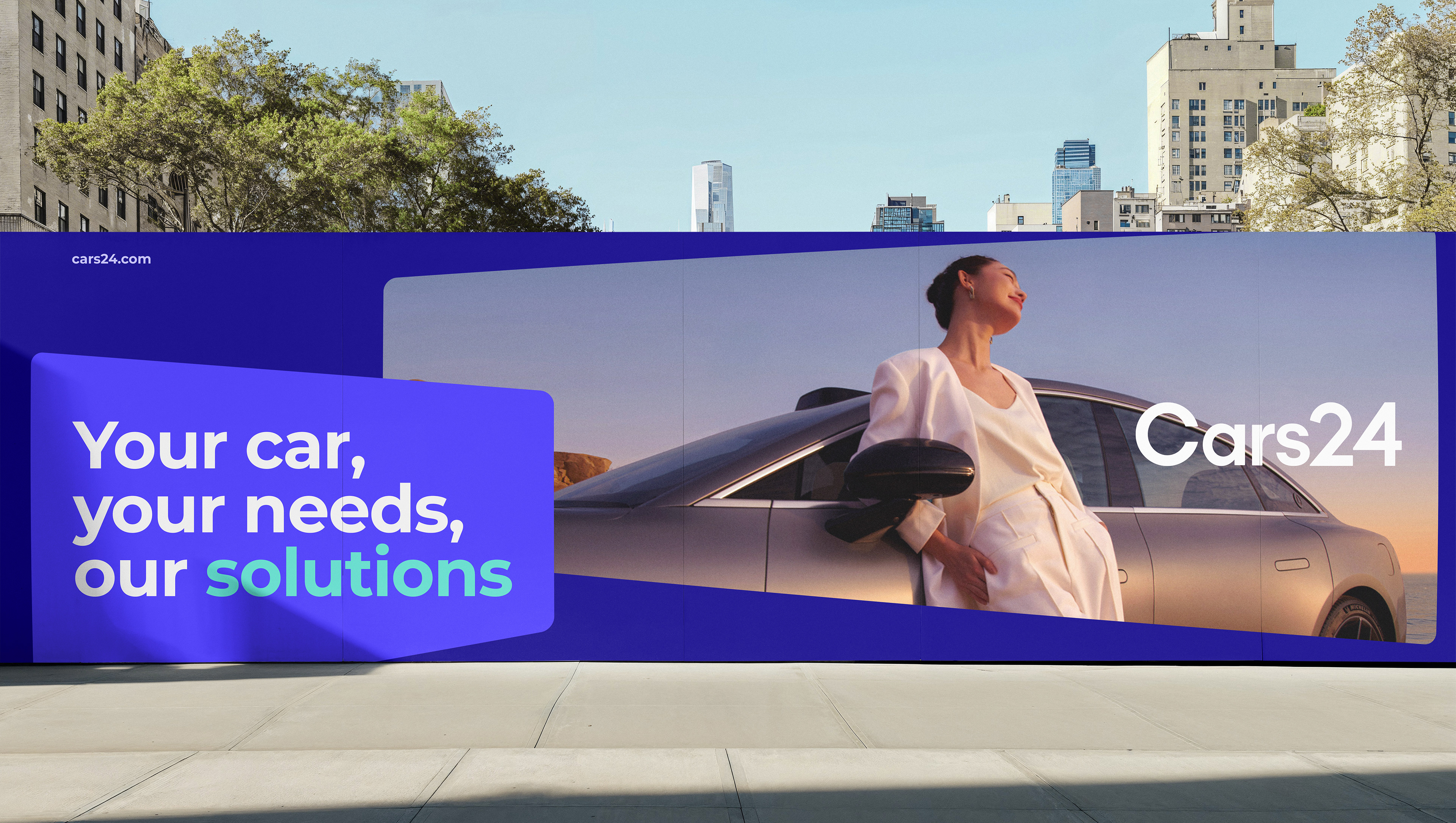
The identity was built around a simple idea: multiple services coming together as one connected experience.
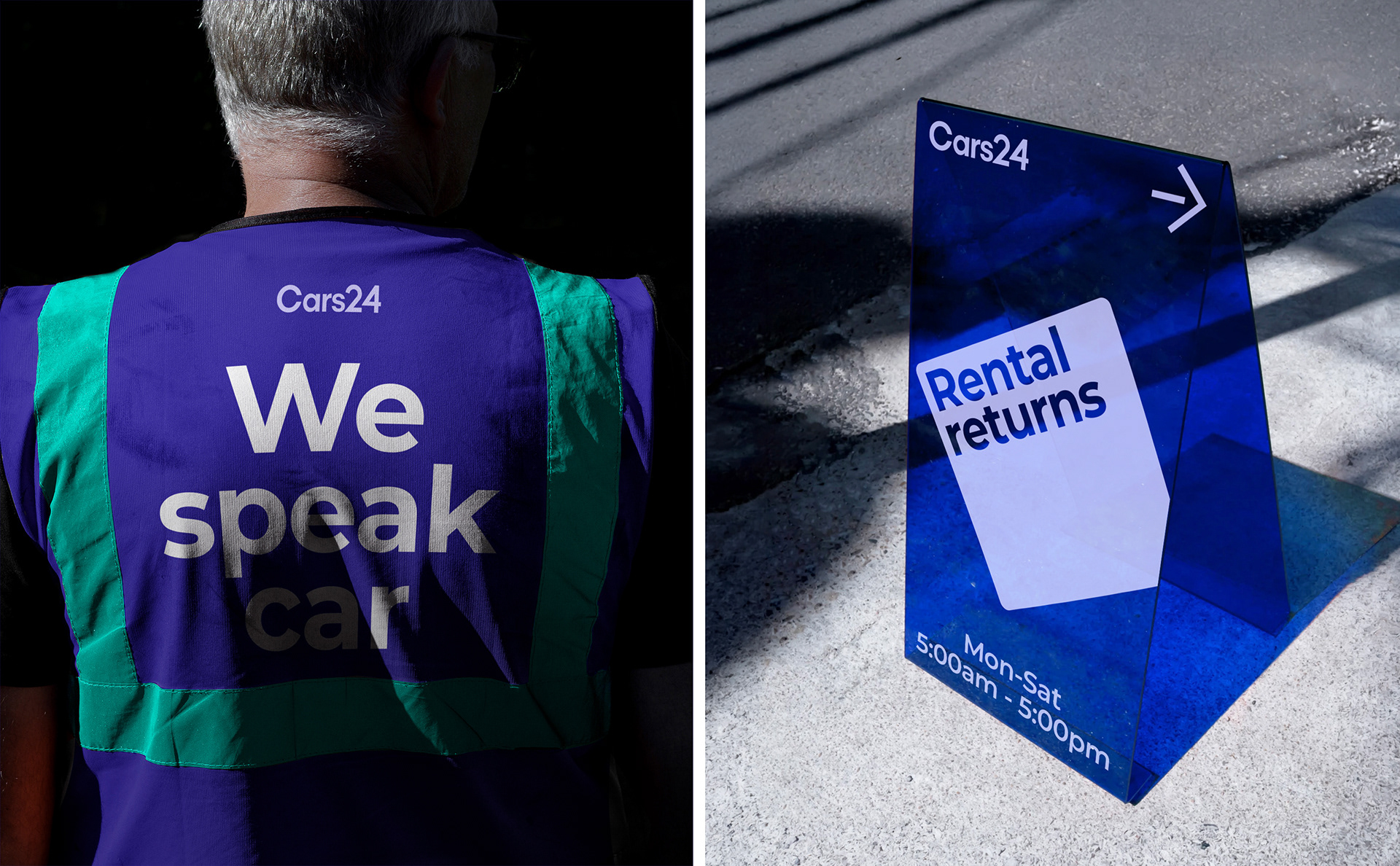
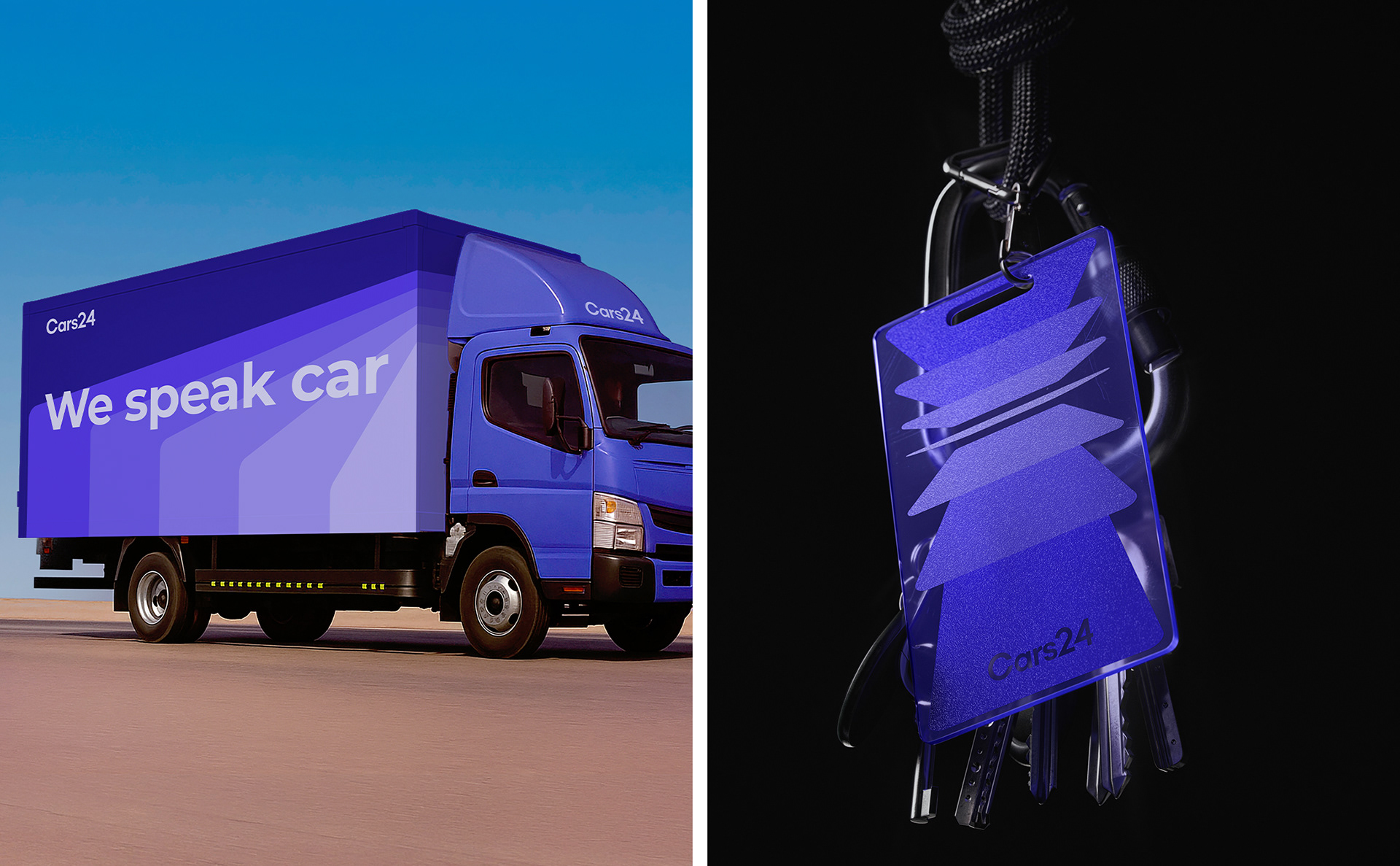
Layered and intersecting forms became the foundation of the visual language, allowing imagery, typography and information to connect within a shared system. Rather than assigning individual expressions to different services, the system creates one recognisable behaviour across the entire brand.
In motion, elements shift, overlap and reorganise around the content, giving the identity the flexibility to work across different services, information and digital experiences while remaining distinctly CARS24.


Credits
Executive Creative Director: Giovanni Borde
Design Director: Elsa Antoun
Designers: Elsa Antoun. Aneri Patel,
Supporting Designer: Giovanni Borde,
Copywriting & Storytelling: Priya Naidoo.
Animation & Motion: Giovanni Borde. Matheus Akimoto